Marketing Case Study: How Bathu Built a Sneaker Brand South Africa Loves
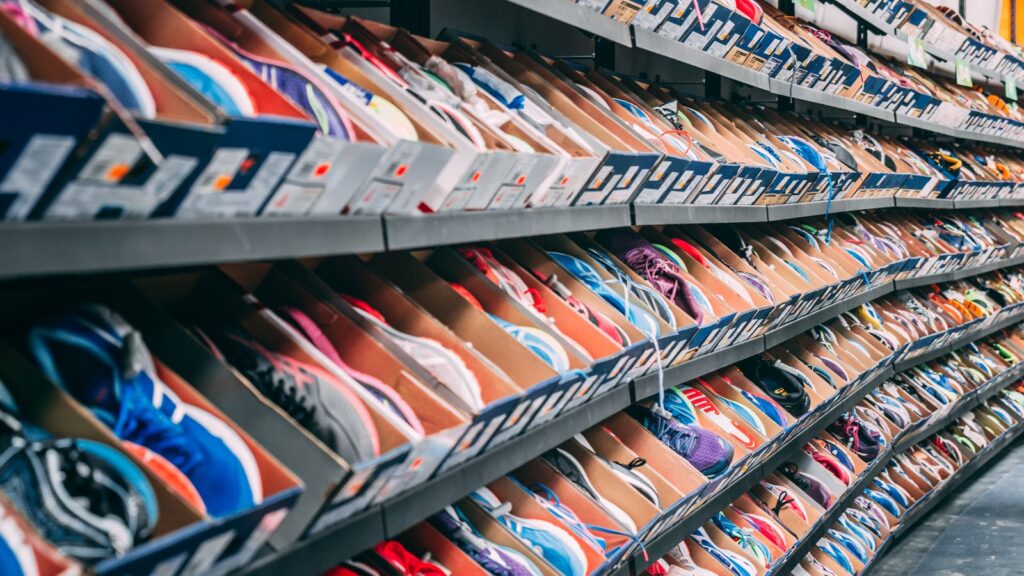
Most marketing case studies from South Africa feature brands with national TV budgets. Bathu is different. It began with 100 pairs of sneakers, a car boot and a small room in Alexandra, Johannesburg. Within a few years it had stores across the country, a place on a list of Africa’s most admired brands, and collaborations with a beer brand, a celebrity and a radio station.
This case study looks at how founder Theo Baloyi built the brand, what the marketing moves were, and six lessons you can apply to your own small business, whatever you sell.
Who founded Bathu?
Theo Baloyi grew up in Phake, near Hammanskraal. According to BusinessTech (March 2025), he moved to Alexandra in 2009 to study a BCom in Accounting at UNISA, selling perfume door to door while he studied. He then joined PwC through its graduate programme and was later transferred to Dubai. EWN reports he spent five years at the firm before leaving in 2015 to start Bathu with his savings.
The name is township slang for “shoe”, a detail the Department of Small Business Development also highlighted. Baloyi’s motivation, as he has explained in interviews, was that he loved sneakers but couldn’t find an African brand that represented him.
The founding story: a dozen-plus rejections and 100 pairs
The early part of the Bathu story is a lesson in persistence. BusinessTech reports that Baloyi spent 18 months on research and development, and that more than a dozen factories turned him down because he wanted a shoe made entirely of mesh. One factory finally agreed.
He started with 100 pairs of the Mesh Edition as a proof of concept, paid for with his Dubai savings. He sold them from the boot of his car, then from a small room in Alexandra. Demand grew quickly: BusinessTech reports orders of 400 pairs in two weeks, then 1,000, then 4,000 within a month.
How Bathu grew
Growth came step by step rather than all at once:
- 2018: Bathu bought its first delivery vehicle and opened its first store, at Newtown Junction Mall in Johannesburg, according to BusinessTech (August 2026).
- During the pandemic: the brand kept expanding. Brand strategy consultancy eatbigfish’s Challenger Project reported in January 2022 that Bathu had grown its top line by 180% year on year and had 30 stores nationwide.
- 2021: Bathu was named number 10 among the most admired African brands in the Brand Africa 100 rankings, according to the Department of Small Business Development.
- 2024–2025: Bathu opened its first store outside South Africa, at Maerua Mall in Windhoek, Namibia, in 2024, and in early 2025 announced five new subsidiary brands, Business Report reported in March 2025. EWN put the business at 32 stores and more than 300 employees, mostly young people, in June 2025.
BusinessTech (March 2025) also reported that the online store brings in about 30% of revenue. Published store counts vary between reports, from 32 to close to 40, so treat any single figure as a snapshot.
Bathu’s marketing moves
A name and story rooted in home
Bathu’s brand is built on African and township identity. The Challenger Project notes colour names such as Egoli Gold and Naledi Yellow, which draw on local places and language. BusinessTech describes the Kalanga shoe, which Baloyi links to the story of the Kalanga clan. Baloyi has called it “a shoe brand with a soul” (BusinessTech).
Stores as experiences, not just shelves
According to the Challenger Project, Bathu opened physical stores because South African shoppers like to touch and try on products, and it designed colourful interiors to stand apart from look-alike retail. Its flagship stores include customisation labs where customers can personalise sneakers at no extra charge. In a City Press feature, Baloyi described Bathu as an experiential brand, with in-store customisation at the centre.
Collaborations that borrow an audience
Bathu has repeatedly partnered with brands and personalities who already have loyal followings:
- Castle Lite (September 2020): a limited-edition sneaker of only 2,000 pairs, sold partly in store and online, with most offered as prizes for buying Castle Lite at major retailers, according to Hype Magazine.
- Somizi Mhlongo-Motaung (February 2021): a range in four precious-metal and gem-inspired colours, priced at R1,800 a pair, sold in Bathu stores and online, as reported by the Sunday Times. Somizi teased it on Instagram before the launch.
- Umhlobo Wenene FM (May 2023): a co-branded sneaker at R1,000, launched at Bathu’s East London store, which the SABC said was partly a thank-you to Eastern Cape customers.
Word of mouth and social proof
The Challenger Project reports that both everyday customers and celebrities endorsed Bathu on social media without being paid to. City Press noted that the sneakers were widely worn with MaXhosa outfits and caught the attention of well-known personalities.
Community as part of the brand
Bathu presents buying its shoes as supporting local jobs. Its Bathu for Batho initiative aims to donate one million pairs of school shoes to children, and BusinessTech (August 2026) says the goal is to do so over the next decade.
Six lessons from this marketing case study for South African small businesses
You don’t need sneaker factories to use what Bathu did well. Here’s how to apply each lesson this month.
- Prove demand small before you scale. Bathu started with 100 pairs. Test your product with a small batch or a pre-order list, and only invest more once people are buying.
- Sell where you already are. A car boot and a small room were enough to start. Use what you have: WhatsApp, a market stall, your network. Our e-book Simple steps to get your first customers covers this early stage.
- Give your brand a story people can repeat. Write one paragraph on why you started and what makes you local. Use it on your website, social bios and packaging. Then let it shape your product descriptions.
- Make buying an experience. Bathu’s free customisation turns a purchase into a memory. For a small business, that might be handwritten thank-you notes, a free extra, or a stamp card. See our loyalty programme ideas for low-cost options.
- Partner with someone who has the audience you want. Bathu worked with a beer brand, a celebrity and a radio station. Your version could be a joint giveaway with a nearby café, a local influencer or a community radio slot. Agree in writing who pays for what and how you’ll measure success.
- Make it easy for happy customers to talk about you. Bathu benefited from unpaid word of mouth. Ask satisfied customers for photos, tags and reviews, and make the request simple. Our guide to getting Google reviews shows how.
A quick worksheet
Take 15 minutes and answer these:
- What’s the smallest test I could run to prove someone will pay?
- What’s my brand story in two sentences?
- What one thing could make buying from me more memorable?
- Which local business or personality shares my audience?
Your next step
Bathu’s story started long before the stores and collaborations, with a founder selling 100 pairs to people he could reach directly. If you’re at that first stage, our e-book Simple steps to get your first customers is a practical place to begin.
Frequently asked questions
Who is the founder of Bathu?
Bathu was founded by Theo Baloyi, who grew up near Hammanskraal and studied accounting through UNISA while living in Alexandra. He worked at PwC in South Africa and Dubai before leaving in 2015 to start Bathu with his own savings. He has been recognised in Forbes 30 Under 30 and as GQ’s Business Leader of the Year, according to BusinessTech.
What does Bathu mean?
Bathu is South African township slang for “shoe” or “shoes”. The name reflects the brand’s focus on local identity and African stories, which also shows up in product and colour names such as Egoli Gold and Naledi Yellow. Using familiar local language helped the brand feel like it belonged to its customers from the start.
How many Bathu stores are there?
Reports differ depending on the date. EWN reported 32 stores in June 2025, while BusinessTech reported close to 40 in March 2025 and more than 30 in August 2026. Bathu opened its first store outside South Africa, in Windhoek, Namibia, in 2024. Check Bathu’s own website for the current list of stores.
Where are Bathu sneakers sold?
BusinessTech reports that Bathu sells its sneakers through its own stores rather than through other retailers, along with its online store, which it says contributes about 30% of revenue. Collaboration ranges have also been sold through partners: the SABC said the 2023 Umhlobo Wenene FM sneaker would be sold on the station’s website as well as Bathu’s online store.
What can small businesses learn from Bathu’s marketing?
Start small and prove demand, tell a local story people can repeat, turn purchases into experiences, and partner with people who already have your audience. Bathu also benefited from customers and celebrities sharing the brand for free, so make it easy for happy customers to post about you and leave reviews.
Free weekly marketing tips
Get practical marketing ideas for South African small businesses
One short email a week: a tactic you can use, a tool worth trying, and what is working for local brands. No spam.